


Abandonment in the Bakken
I think I’ve blogged on this before, but my most recent trip to the Bakken presented a landscape inscribed with abandonment. The abandoned towns of western North Dakota are well-known and celebrated. They speak to the tradition of temporary settlement in the North Dakota landscape.
One my favorite sites this trip was the Madson Grade. This was a massive fill grade created by the Great Northern Railway in 1913 to descend the Madson Flats just west of Watford City, North Dakota. The fill covered a massive, 60 ft high tressel which is visible in this post card. Today, the Madson Grade extends for about mile and is clearly visible to the north of US Route 85 on its way east into Watford City. I’m not entirely clear whether this massive grade fill ever was used to carry rail traffic into Watford City. Any additional information on the history and function of this would be much appreciated!

There remains a bit of evidence for the history of the fill:



I’ve posted this photo before, but I was really struck by our visit to Ponchos in White Earth, ND, and the bartender’s description of the place’s glory days in the 1950s. The bar was once made prosperous because US Route 2 (now nothing more than a dirt road) passed outside its door. When new Route 2 was built about mile to the south, it bypassed both the town of White Earth and contributed to Ponchos’ and the town’s decline.

This made me think of the town of Alexander which we visited on Monday. The town saw over 12,000 vehicles per day (or about a car every 8 seconds) pass through town since the start of the oil boom. When the bypass opened last week, the traffic stopped passing through downtown, apparently, quite abruptly. It’s hard to imagine Alexander suffering the same fate as White Earth, but settlement in western North Dakota and the movement of traffic through the oil patch is a fickle mistress.

The Bakken boom, has introduced more examples of abandonment. I’ve been particularly interested in seeing evidence for abandonment at RV parks that house the temporary workforce in the region. As residents moves from one hot spot to the next, pulls up stakes for the winter, or finds permanent housing, they leave behind all sorts of things that are too difficult to move or relatively valueless.
Mudrooms


Airconditioners:

Pots, pans, and trash: (As an aside, I sampled this assemblage, by collecting the trash can filled with pots and pans and putting it in the back of my pick-‘em-up truck. I not only loved the feeling of scavenging (and had to resist picking up other things throughout the rest of my trip west), and also have been thinking about the ethical and “scientific” aspects of sampling discard from the near workforce housing in the patch. More on this next week after I document my grab sample more carefully.)

They also abandon the infrastructure that tied their temporary homes to the grid:


The shifts in the character, focus, and nature of workforce housing presents an opportunity to document the Bakken boom as a dynamic phenomenon rather than as a static assemblage.
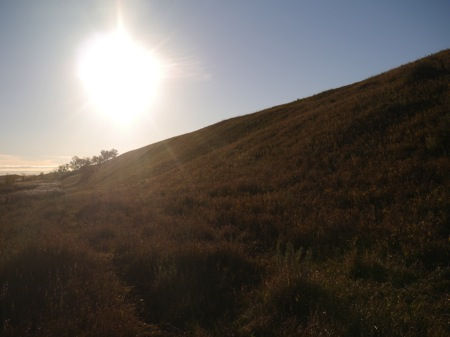
I also took some glamor shots of the boom. After so many trips to the oil patch, I’ve become more and more attuned to the beauty of this part of North Dakota. (And before you think it, I know these shots are cliche!)


Comments