


KANSAI “The Grand Izumo Exhibition” KYOTO NATIONAL MUSEUM
- Aug 6, 2012
- 5 min read

“Horse,” “Sumo Wrestler” and “Chair,” haniwa figures excavated from Ishiya Tumulus, Shimane Prefecture (Kofun Period, mid-5th century) MATSUE CITY BOARD OF EDUCATION, SHIMANE
By HAN ZHANG Staff writer The Kyoto National Museum is commemorating the 1,300th anniversary of the Kojiki, the oldest chronicle in Japan, as well as next year’s grand installation ceremony of Shimane Prefecture’s Izumo Taisha, one of the oldest Shinto shrines in Japan.
Myths from Izumo Province were recorded in the Kojiki, and this exhibition showcases artifacts from ancient Izumo shrines and other related temples. Also on show will be objects excavated from Taisha Izumo, as well as treasures belonging to the shrine and bronze artifacts that have never before been shown outside of Shimane; till Sept. 9.
Kyoto National Museum; (075) 525-2473 ; 527, Chaya-cho, Higashiyama-ku, Kyoto; Shichijo Station, Keihan Railway. 9:30 a.m.-6 p.m. (Fri. till 8 p.m.). ¥1,300. Closed Mon. www.kyohaku.go.jp.
***
Below is further information on the exhibit from the Kyoto National Museum:
Images from the Exhibit This year marks the 1300th anniversary since the compilation of Kojiki (Record of Ancient Matters) and next year, 2013, is the grand installation ceremony of Izumo Taisha, which takes place for the first time in almost sixty years. In commemoration of this, the Kyoto National Museum will hold an unprecedented exhibition introducing treasures from the ancient Izumo shrines and closely affiliated temples as well as artifacts excavated from historic sites in Izumo in a single venue. This exhibition includes new discoveries made during preparatory surveys. Presented will also be an overview of Izumo legends, the beginning of Izumo Shrine, and the forms of prayers offered to the gods and buddhas by the ancient and medieval people of Izumo.
The 1300th anniversary of the Kojiki Chronicle
This year marks 1300 years since the compilation of the earliest extant chronicle of Japan, Kojiki (Record of Ancient Matters). Consisting of oral transmissions compiled by Ono Yasumaro (d. 723), the record was presented to Empress Genmei (660-721) in 712. Within the historical tales recorded in Kojiki, perhaps what excites us most is the section on myths, which recalls the adventures of the heroic gods. The Izumo region was an important stage for the legendary episodes such as the slaying of the eight-headed, eight-tailed serpent Yamata no Orochi by the god Susanoo (fig. 1) or the white hare of Inaba and the celebrated Okuninushi.

Fig 1 Susanoo Slaying the Eight-Headed, Eight-Tailed Serpent (Sketch) by Harada Naojiro (1863-1899) Meiji period, The Okayama Prefectural Museum of Art
Tales from the Land of Legends

Fig 2 National Treasure Kojiki (Record of Ancient Matters) Nanbokucho period, Osu Kannon Hosho-in Temple, Aichi Prefecture
While focusing Izumo as the stage of early Japanese myths, this exhibition first explores these myths and the Kojiki through related works. Highlights include the Shinpuku-ji Temple edition of Kojiki (fig. 2), which is the earliest extant copy of the Kojiki and a designated National Treasure, Nihon Shoki (The Chronicles of Japan), Izumo no kuni fudoki (Records of Customs and Land of Izumo) as well as pictorializations of early myths. Excavated artifacts, playful and rich in sculptural form, from the Kofun period (c. 250-538), such as the impressive Deer Haniwa (fig. 3) looking back will also be exhibited. The exhibition will also showcase a group of bronze implements (figs. 4 and 5), which were excavated in large quantities from the Yayoi-period (300 BC-300 AD) sites of Kojindani and Kamo Iwakura, which represent a starting point for the legendary land of Izumo. Why so many of these objects were buried in one place is full of mystery even today.

Fig 3 Important Cultural Property Deer Haniwa, excavated from Hiradokoro ruins Kofun period, Shimane Prefectural Board of Education

Fig 4 National Treasure Ritual Bronze Swords, Halberds, and Bells, excavated from Kojindani ruins Yayoi period, Agency for Cultural Affairs

Fig 5 National Treasure Ritual Bronze Bell, excavated from Kamo Iwakura ruins Yayoi period, Agency for Cultural Affairs
Unta Comes to Kyoto

Fig 6 Important Cultural Property Axis Pillars, excavated from the grounds of the Izumo Grand Shrine Kamakura period, Izumo Grand Shrine, Shimane Prefecture
In Japan, people usually associate Izumo with the shrine Izumo Taisha and next year will mark the first grand installation ceremony in sixty years. Incidentally, do you know the phrase, “Un-ta, Wa-ni, Kyo-san,” which is connected to the shrine? It relates to the greatness of structure in order of size beginning with the largest. Unta refers to “Izumo Shrine being the largest,” Wa-ni means the “Great Buddha Hall of Todai-ji Temple in Nara, second,” and Kyo-san is the “Daigokuden (or ‘Great Hall of State’) in the early capital of Kyoto, third,” signifying that Izumo Shrine was the greatest structure of the time. In Nihon Shoki, Okuninushi is rewarded with the construction of Izumo Shrine for relinquishing the land to the Heavenly Grandson. The shrine is said to have been approximately 48 meters tall or twice that. Substantiating these this are enormous Kamakura-period (1185-1333) axis pillars (uzubashira, fig. 6), which were discovered on the shrine grounds. These will be on display in this exhibition for all to see their enormity.
This Summer, the Gods Will Be in Kyoto
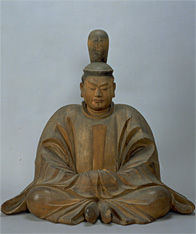
Fig 7 Important Cultural Property Seated Hachiman deity Kamakura period, Akana Hachiman-gu Shrine, Shimane Prefecture
The traditional name for the tenth month in Japan is Kannazuki, meaning “the month without gods.” However, Izumo, the home of numerous Shinto gods, is the only place in which the tenth month is known as Kamiarizuki or “the month when the gods are present.” The Hachiman deity (fig. 7) of Akana Hachiman Shrine and many other sculpted images of Shinto gods will be present in this exhibition. The splendid ornamentations found on sacred treasures offered to the gods, such as the lacquered Toiletry Case with Deer in Autumn Field in Makie (sprinkled metal design, fig. 8), are perhaps manifestations of the awe and respect that the gods inspired among the people of the time. While Izumo was the land of the gods, on the one hand, it was also a place where many Buddhas were worshipped. Seated Yakushi Nyorai (Medicine Buddha, fig. 9) of Kezo-ji Temple, which is usually kept from public view as a hibutsu (“secret Buddha”), and other Buddha images from Izumo will also be in this exhibition. It is not an overstatement to say that this unprecedented exhibition on grand shrine of Izumo will be the first and perhaps last of its kind. Explore the mythical land of Izumo this summer at the Kyoto National Museum

Fig 8 National Treasure Toiletry Box with Deer in Autumn Field in Makie (Sprinkled Metal Decoration) Kamakura period, Izumo Grand Shrine, Shimane Prefecture (exhibited from 8/21-9/9)

Fig 9 Important Cultural Property Seated Yakushi Nyorai (Medicine Buddha) Heian period, Kezo-ji Temple, Shimane Prefecture
For more general and access information on the Grand Izumo Exhibition, click here
See also:
Izumo Taisha It is not known exactly when Izumo-taisha was built, but its construction was at least no later the 10th century since a record compiled around 950 (Heian period) describes the shrine as the highest building (reaching approximately 48 meters, which exceeds in height the 45 meter-tall temple that enshrined the Great Image of Buddha, Tōdai-ji)… but it is also likely that the earliest Izumo religious structures existed by the 8th century since the Izumo Fudoki (Izumo Fuudoki 出雲風土記) or Records of Ancient Izumo, dated from about A.D. 733.
The records of Izumo describe the life and customs of the area, from present day Matsue City toward the Grand Shrine of Izumo and along the coast of Shimane. During the Nara period (710 – 794), the South-eastren side of Matsue was the center of politics, economy, and culture of the Izumo region. The Izumo no kuni fudoki contains numerous legends of deities which were, or likely were, Kunitama no kami. The records tell of “a place of outstanding bountiful land and charming people”. Source: Izumo Fudoki (Daruma Pilgrims Gallery)


Comments