


Messene, Olympia, and the Greek Dark Ages
Last weekend, I had a chance to travel a bit and see a couple sites that I hadn’t seen for about a decade. We targeted sites and regions where there was some evidence for “Slavic” pottery and “late” urbanism (i.e. post 6th century).
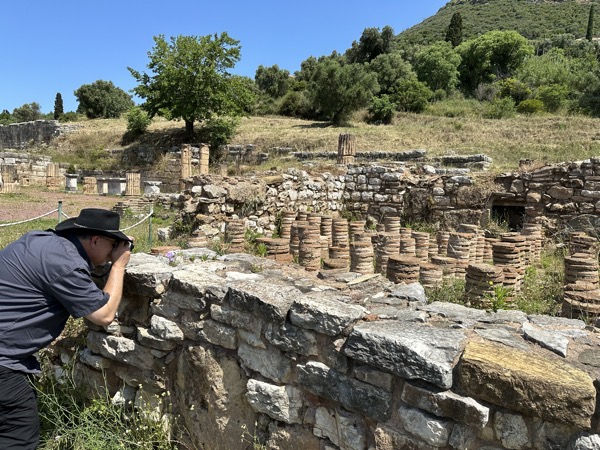
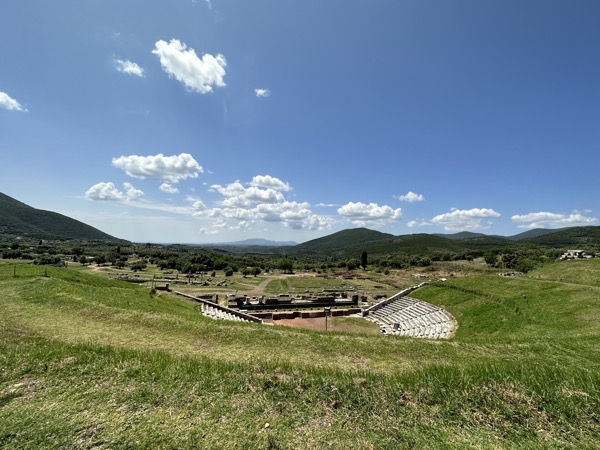
We visited Messene which is perhaps best known for its imposing Hellenistic Walls. We were more interested, however, in the fourth-century Christian building, the sixth century basilica, the fifth to seventh century bath, the Early Byzantine water mill, and the beautiful views. To get a sense for why Late Roman and Early Byzantine Messene is so important, check out Nikos Tsivikis work at his Academia.edu page.


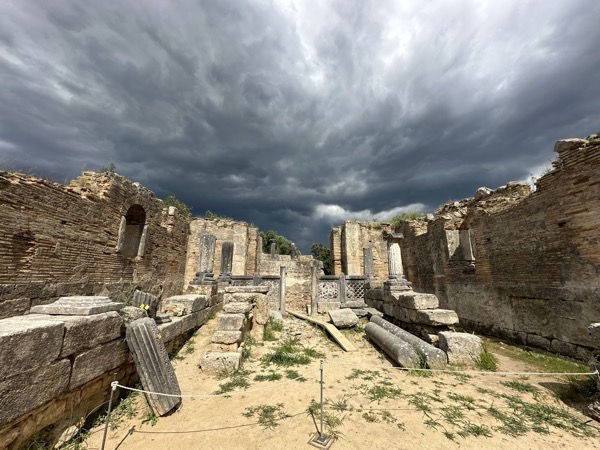
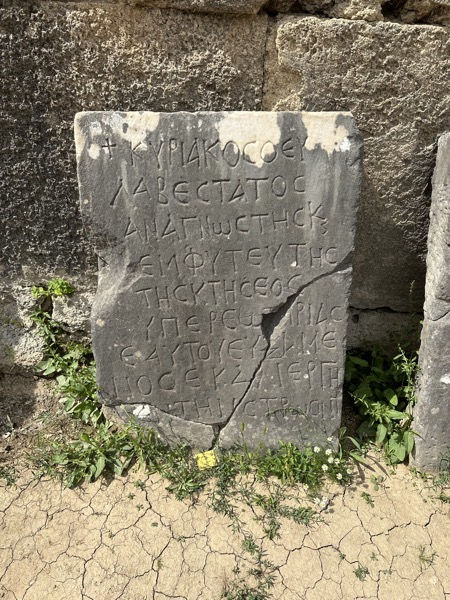
We then headed north to visit Olympia. While Olympia is best know for its important collection of Slavic Ware pottery, it was also the site of a relatively well preserved Early Christian basilica. Unfortunately, the weather was uncooperative and we barely avoided a massive thunderstorm and didn’t get much time on the site.
Fortunately, we had plenty of time to admire the “Slavic” pottery displayed in the final cases of the archaeological museum. The message is clear: all of the remarkable and far more famous objects, monuments, and stories associated with Olympia culminate in “Slavic” ceramics. The elegance, simplicity, and functional beauty of these pots humbles the rest of the museum by reducing the overwrought ornamentation of so-called “Classical” sanctuary to mere frippery.


Comments