


Music Monday: Japanese Jazz
On Friday, I was surprised by a new collection of Japanese jazz. Called WaJazz: Japanese Jazz Spectacle, this collection appears to derive from the Nippon Columbia Jazz Masters (Nippon Columbia is the name for any number of labels that recorded Japanese artists in the starting in the early decades of the 20th century).
The album is good and provides a window in the remarkable range of Japanese jazz in the 1970s and 1980s. From stuff that sounds as vigorous and dynamic as the American large ensemble jazz from the 1970s to spiritual jazz complete with post-Coltrane squawks and honks and soul jazz that would make Donald Byrd smile. You can check it out here.

I don’t know any of the artists and can’t really speak to their individual virtuosity, but the collective character of this album has put it in heavy rotation at my house.
It also pushed me back to the anthology that provided me with my first exposure to the richness and quality of the Japanese jazz tradition from BBE Records:
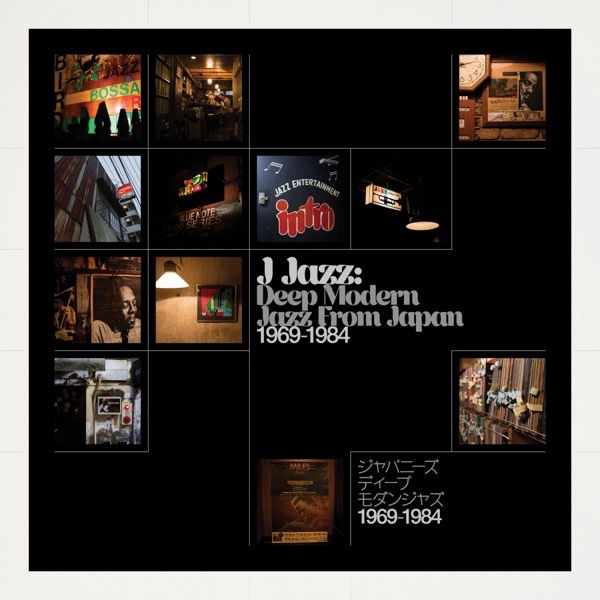
This collection (and the two follow up volumes) tends a bit more toward the spiritual side of things with a solid dose of modal and post-bop intensity. Again the artists are unfamiliar to me, but I’ve enjoyed the album length entries in this collection as well.
These albums got me thinking much more about the global scope of jazz as an idiom. I have to admit that I am pretty biased toward American jazz artists in part because I imagine that I can understand the social, political, and cultural context for the musicians and their music. I recognize that listening to music as the illustration of certain larger trends or as a cultural artifacts is not always the most sympathetic way to listen to music. Listening to the passion and intensity of some of these Japanese artists whose passion for jazz developed in the context of post-war American colonialism and cultural interaction, I am actually drawn to wonder about how their music created meaning for these musicians and communities. In fact, I like to think that listening not only to Japanese jazz but also British and European jazz might even help me listen more intently to the music itself rather than listening to it as the manifestation of something that I have all sorted in my head. Of course, every now and then, I cheat and read things like this article from The Guardian that situates Japanese jazz in its cultural moment.
P.S. As I was listening to music last night, I came across another complication of Japanese Jazz. I’ve not heard this, but as I have a day revising a paper, I thought I’d spin it while I polish some prose and check references. Oddly enough, I could only find “Vol. 3” in this series.


Comments