


Myth of Origins in the Bakken
I am once again in the Bakken, but this time on business with my wife rather than on my own research adventures. That being said, I did have a chance to visit a few sites that had eluded me including the monument marking the Clarence Iverson No. 1 well which initiated the Bakken boom in 1951 and the rather more obscure site of Temple where sweet North Dakota crude was first transported by rail to markets back east.


This got me thinking about the myths of origins in the Bakken. The name of the play derives from the Henry O. Bakken #1 spudded in July 1951 and completed less than a year later in April of 1952. The Iverson #1 was, of course, earlier, but Mr. Bakken’s name graces the famous North Dakota oil play.
Some trace the origins of the most recent, fracking inspired oil boom to work in the Elm Coulie oil field in eastern Montana where horizontal drilling and fracking demonstrated the potential of these techniques as early as 2000, almost a decade before the current boom was touched off by a horizontal fractured well west of Williston.
I talk a good bit about the various origin stories in my Tourist Guide to the Bakken Oil Patch and this morning published Route 5: Williston, ND to Sidney, MT which looks west for the origins of the most recent boom.
I.1. A Brief Industrial History of the Bakken CountiesI.2. Practical Notes on Travel, Roads, and Weather in the BakkenI.3. Technical Notes and Key Terms about the BakkenI.4. Controversies and ConcernsI.5. The North Dakota Man Camp ProjectI.6. Further Reading
IV: Route 3: Tioga to WillistonIV.1. Route 3a: Wheelock, Nession Flats, East WillistonIV.2. Route 3b: Wildrose
VII: Route 6: Watford City to New Town
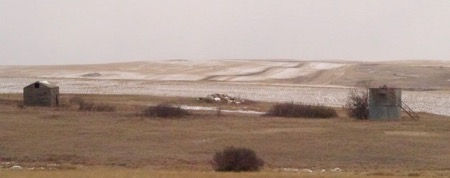
As the kids would say #nofilter


Comments