


Prostitution in Ancient Egypt: Uncovering the Mysteries of an Ancient Practice
Prostitution in ancient Egypt is a captivating subject that blends mystery, history, and cultural intrigue. While direct evidence remains scarce, artifacts, texts, and societal clues offer tantalizing insights into this elusive aspect of ancient Egyptian society. Unlike civilizations such as Mesopotamia or Greece, where prostitution was openly documented and regulated, ancient Egypt presents a more enigmatic picture. This article explores the historical context, key evidence, societal roles, and potential religious dimensions of prostitution in ancient Egypt, shedding light on a practice that continues to fascinate scholars and readers alike.
Historical Context: Women and Society in Ancient Egypt
Ancient Egypt boasted a rich civilization spanning over 3,000 years, characterized by a sophisticated social hierarchy. Women in ancient Egypt held a unique position (depending on their social status), enjoying greater rights than their counterparts in many other ancient cultures. Generally, they could own property, initiate divorce, and participate in trade, which may have influenced the nature of prostitution in this society.
However, unlike Mesopotamia, with its temple prostitutes, or Greece, with its regulated brothels, ancient Egypt lacks explicit legal records or archaeological evidence of formalized prostitution. This absence suggests that prostitution was not a prominent or structured institution. The relative empowerment of women might have allowed some to engage in sex work independently, perhaps even accumulating wealth and influence, though concrete proof remains elusive.
Evidence of Prostitution in Ancient Egyptian Artifacts
One of the most compelling pieces of evidence linked to prostitution in ancient Egypt is the Turin Erotic Papyrus, dated to around 1150 BCE. This artifact features explicit depictions of sexual acts, with some scholars suggesting that the figures involved could be prostitutes. The papyrus portrays men as “scruffy, balding, short, and paunchy” with exaggerated features, contrasting with the idealized beauty standards of ancient Egyptian art. This has led to debates: does it depict prostitution, or is it a satirical or purely erotic work? Maybe it’s all three.


Another clue comes from tattoos associated with Bes, the god of fertility and protector of households. Found on figurines and mummies, these tattoos are often linked to professional entertainers, possibly including prostitutes. It is possible that the Bes tattoo was meant as protection against venereal diseases like gonorrhea, which seems to have been known in ancient times. This suggests an additional protective role for Bes, tying his guardianship to the health of those in sexually associated professions.
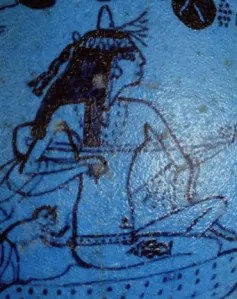
The term “ḫnmt” has also been proposed as a word for prostitute, though its meaning remains contested. Additionally, some prostitutes, known as felatriz, could be identified by their intensely red-painted lips, hinting at a distinct appearance tied to their profession. Despite these hints, no brothels have been uncovered in archaeological digs, suggesting that prostitution operated informally rather than as a central societal pillar.
Societal and Legal Status of Prostitution in Ancient Egypt
The societal and legal framework surrounding prostitution in ancient Egypt is notably ambiguous compared to other ancient cultures. Unlike Rome, where prostitution was taxed, or Mesopotamia, where temple records documented sex work, ancient Egyptian legal texts offer no clear references to brothels or formal regulations. However, prostitution was a recognized, though not highly regarded, profession that provided a variety of services, and the women involved were not marginalized or excluded from society.
Services and Skills of Prostitutes

Prostitutes, sometimes called “ladies of company,” offered more than just sexual services. They provided companionship, entertainment, and conversation to men from different social classes. Some, known as felatriz, specialized in specific sexual acts, distinguished by their striking red-painted lips. Beyond physical offerings, these women were often skilled in music and dance, making them multifaceted entertainers in ancient Egyptian cities.
Social Standing and Economic Power
While prostitution was not considered an honorable trade, it did not carry the severe stigma seen in other cultures. These women were not social outcasts; instead, their profession was tolerated as a legitimate form of economic activity. Some prostitutes amassed significant wealth and power, becoming influential figures within their communities. This suggests that prostitution offered a pathway to financial independence for some, aligning with the broader rights women enjoyed in ancient Egypt.

Living and Working Arrangements
Prostitutes often lived in designated neighborhoods within cities, reflecting a degree of organization to their trade. Some operated independently from their own homes or businesses, while others were associated with larger establishments like taverns or houses of pleasure. The Egyptian government imposed taxes on prostitutes and these venues, indicating state recognition and a level of regulation, even if less formalized than in other civilizations.
Moral Perspectives
Egyptian morality generally frowned upon sex outside marriage (but not pre marital sex), yet there was a pragmatic understanding of human nature. This ambivalence allowed prostitution to exist without the harsh condemnation seen elsewhere, balancing societal norms with practical realities.
In summary, prostitution in ancient Egypt was a complex social phenomenon—tolerated, taxed, and integrated into the fabric of urban life, yet (frustratingly) understated in official records.
Religious Dimensions: Was There Sacred Prostitution in Ancient Egypt?

The possibility of sacred prostitution in ancient Egypt adds an intriguing layer to this discussion. Some scholars propose that priestesses, particularly those serving goddesses like Isis or Hathor, might have participated in sexual rituals during festivals such as the Feast of Hathor, which celebrated fertility and sexuality. These acts could have served a spiritual purpose, connecting the divine and human realms, rather than functioning as commercial transactions.
However, this theory remains speculative (and highly debated). Unlike Mesopotamia, where sacred prostitution is well-documented, evidence in ancient Egypt is circumstantial. Later accounts from the Greek historian Strabo (who should be read with sceptical eye) during Roman Egypt mention noble women engaging in temple sexual activities (Once again, read with a sceptical eye because the Romans were not above spreading fake news about the ancient Egyptians.), but these may not reflect earlier Pharaonic traditions. Thus, while sacred prostitution is a compelling hypothesis, it lacks definitive proof.
The Enigma of Prostitution in Ancient Egypt
Prostitution in ancient Egypt remains a subject shrouded in mystery. Artifacts like the Turin Erotic Papyrus and Bes-related tattoos, along with hints of taxed “ladies of company,” offer glimpses into its existence. Yet the absence of legal texts and brothels suggests it was not a dominant societal feature. Prostitutes provided a range of services—sexual, social, and artistic—and some gained wealth and influence, reflecting their accepted, if understated, role. The notion of sacred prostitution, while intriguing, hinges on interpretation rather than hard evidence. This scarcity of records underscores the challenges of unraveling ancient social practices, leaving prostitution in ancient Egypt an enduring enigma.
FAQ: Common Questions About Prostitution in Ancient Egypt
What is the Turin Erotic Papyrus?
The Turin Erotic Papyrus is an artifact from around 1150 BCE, depicting explicit sexual scenes. Some interpret it as evidence of prostitution, while others see it as satirical or erotic art.
Did Ancient Egyptians Practice Sacred Prostitution?
The idea is debated. Some suggest priestesses performed sexual acts during festivals like the Feast of Hathor, but conclusive evidence is lacking compared to Mesopotamia.
How Were Prostitutes Viewed in Ancient Egyptian Society?
Prostitution was recognized but not highly esteemed. Prostitutes were not outcasts, offered diverse services, and some gained wealth and influence, indicating tolerance and economic legitimacy.
Why This Matters Today
Understanding prostitution in ancient Egypt offers a window into the dynamics of its society—gender roles, economic structures, and moral perspectives. While evidence is limited, the clues spark curiosity and invite further exploration. Whether as independent entertainers or part of sacred rituals, prostitutes reflect the complexity of one of history’s most iconic civilizations.


Comments