


The history of the Swastika
- Dec 16, 2013
- 3 min read


The earliest swastika known has been found in Mezine, Ukraine. It is carved on late paleolithic figurine of mammoth ivory, being dated as early as about 10,000 BC. It has been suggested this swastika may be a stylized picture of a stork in flight and not the true swastika that is in use today. Mirror-image swastikas (clockwise and anti-clockwise) have been found on ceramic pottery in the Devetashka cave, Bulgaria, dated 6,000 B.C. It appear in Neolithic China in the Majiabang, Dawenkou and Xiaoheyan cultures.
Swastikas also appear on pottery in archaeological digs in Africa, in the area of Kush and on pottery at the Jebel Barkal temples. It is seen in Egypt during the Coptic period. Textile number T.231-1923 held at the V&A Museum in London includes small swastikas in its design. This piece was found at Qau-el-Kebir, near Asyut, and is dated between AD 300-600.
The swastika is also seen in Iron Age designs of the northern Caucasus (Koban culture). Other Iron Age attestations of the swastika can be associated with Indo-European cultures such as the Indo-Iranians, Celts, Greeks, Germanic peoples and Slavs. In England, neolithic or Bronze Age stone carvings of the symbol have been found on Ilkley Moor.
The (the German for “animal whorl” or “whirl of animals”) is a characteristic motive in Bronze Age Central Asia, the Eurasian Steppe, and later also in Iron Age Scythian and European (Baltic and Germanic) culture, showing rotational symmetric arrangement of an animal motive, often four birds’ heads. Even wider diffusion of this “Asiatic” theme has been proposed, to the Pacific and even North America (especially Moundville).

Armenian Eternity Sign (arevakhach)

Georgian Eternity Sign (Borjgali)

The Kolovrat (Коловрат) Swastika (Свастика)
– the foremost symbol representing Rodnovery amongst East Slavic peoples and traditions.

Armenian dancers

Ingushetia National Flag
Solar emblem of Vainakh represents not only the sun and the universe
but also awareness of the oneness of the spirit in the past, present and future

Old Avarian popular symbols appearing on stone and felt
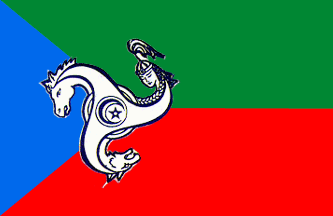
Avar, Kumyk

Flag of Ust-Orda Buryat Autonomous Okrug

Flag of the Isle of Man

Flag of Sicily

Kuna, indigenous people of Panama and Colombia

Flag of India


Swastika, a symbol of auspiciousness in Hinduism, Buddhism, and Jainism


Jainism


Mezin, Ukraine, 10,000 BC
Swastika, Balkans, 7th-6th mill. BC


Cucuteni-Trypillian, 6500 BC


Swastika, Vinca, 5500-4800 BC


Samarra, Iraq, 5000 BC
Swastika, Hassuna, 5500 BC
Swastika, Elam, 4000 BC
Swastika, Ur, Early dynastic, 2900-2400 BC
Swastika, Ur, Jemdet Nasr, 3100-2900 BC
Swastika, Ur, Jemdet Nasr, 3100-2900 BC

Swastika seals, Indus Valley

Minoan
Swastika, Early Cycladik II, 2700-2300 BC

Bronze Age Mycenaean
Swastika, China, Majiayao, Mid 3rd mill BC

Swastika, China, Majiayao, Mid 3rd mill BC
Swastika, China, Majiayao, Mid 3rd mill BC

Swastika, China, Majiayao, Mid 3rd mill BC
Swastika, Minoan, 1800-1600 BC
Triskele, China, 1200-650 BC

Etruscan, Bolsena, Italy, 700-650 BC

Greek, Attica, ca. 780 BC

Artemis with swastikas. Greece, circa 700 BC
Thebes, Greece, 500 BC

Etruscan pot 700 BC

Gaul, Lyon, France

La Olmeda, Spain, Ancient Rome

Nydam Mose, Denmark, 300-400

Anglo-Saxon, North Elmham, Norfolk, 500-600

Buckle from Oseberg Vikingship Buddha

Runestone from Snoldelev, East Zealand, Denmark, 900 AD

Buddhist temple, Japan
Antique Navajo
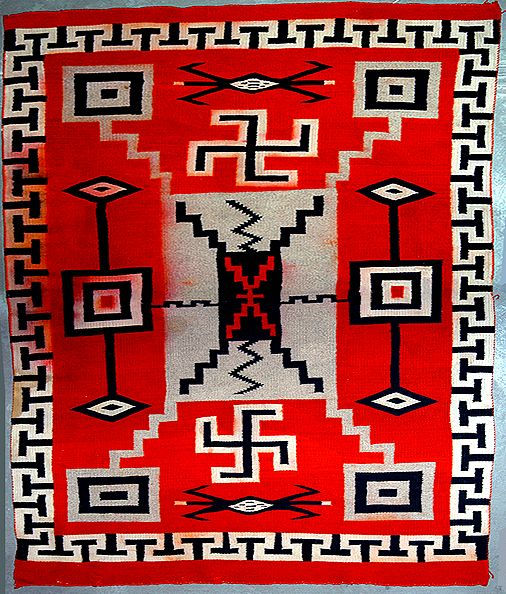
Antique Navajo

Antique Navajo

Ghana, 1400 AD
Comments